
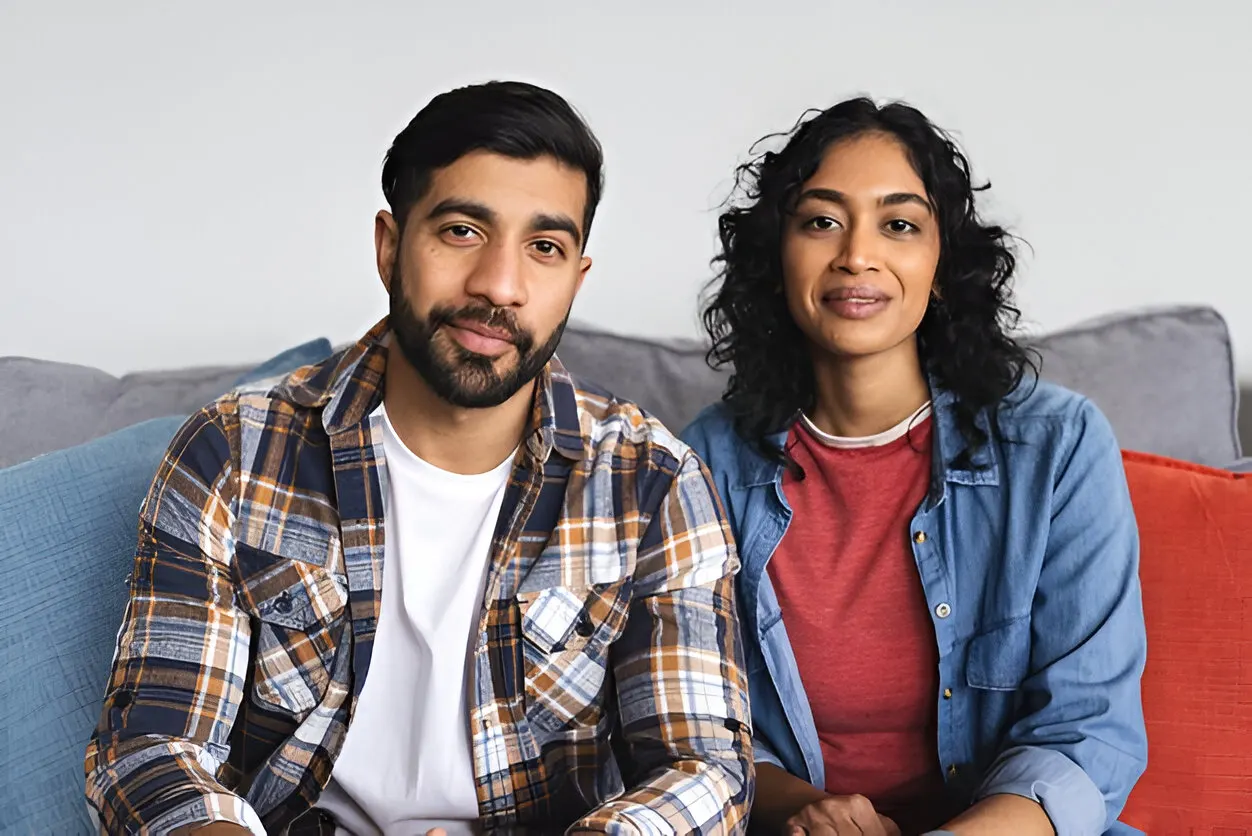
Marriage, especially in India, is more than a partnership between two people it’s a lifelong alliance involving two families and, often, multiple generations.
While love, compatibility, and shared goals are essential between spouses, the influence of parents, grandparents, and extended family members plays a significant role in shaping the marital journey.
Managing inter-generational expectations, therefore, becomes not only necessary but crucial to maintaining harmony within the household.
The Generational Gap in Perspectives
Every generation contributes unique values, perspectives, and life experiences. Older generations, particularly those raised in pre-liberalization India, often emphasize duty, family honor, and tradition. Younger couples, especially those raised in urban or global environments, may prioritize individual choice, personal growth, and emotional fulfillment.
This gap isn’t about right or wrong, it’s about perspective. While elders might view marriage as a responsibility and a joint family affair, the younger generation may see it as a partnership of equals, based on mutual respect and autonomy. Bridging this gap requires patience, communication, and empathy.
Parental Involvement in Marriage
In Indian households, parental involvement in marriage doesn’t end with the wedding. Whether it’s financial planning, decision-making about children, or even career advice, parents often play an active role. While their experience and wisdom can be invaluable, conflicts may arise when boundaries are unclear or expectations are not openly discussed.
The key lies in maintaining a respectful balance. Couples must learn to appreciate the support of their elders without feeling overwhelmed or controlled. Likewise, parents should learn to trust their children’s choices and give them the space to build their lives.
The Role of Tradition and Modernity
Traditional expectations around gender roles, parenting styles, and social behavior often clash with contemporary ideas. For instance, a mother-in-law may expect her daughter-in-law to take on household responsibilities traditionally, while the couple may prefer to share chores equally or hire domestic help.
Similarly, expectations around festivals, religious rituals, or family gatherings can sometimes create stress for modern couples trying to juggle work-life balance. Open discussions about such traditions, with mutual respect and flexibility, can help families evolve together rather than grow apart.
The Bridge Between Generations
One of the most effective tools for managing generational expectations is communication. Many misunderstandings stem from assumptions, unspoken norms, or fear of offending elders. Creating a culture of open dialogue, where all members feel heard, can transform tense situations into opportunities for growth.
Couples should take time to understand their parents’ concerns, while also gently asserting their own needs and boundaries. Involving a neutral third party, such as a counselor or trusted elder, can also help mediate sensitive topics.
Shared Goals and Mutual Respect
Despite generational differences, most families share the same fundamental goals: happiness, stability, and success for their children. By focusing on these shared objectives, families can find common ground even when their approaches differ.
For example, instead of arguing over where a couple should live, close to the in-laws or in a different city, the discussion can shift toward how both families can stay emotionally connected despite physical distance. This reframing helps transform conflict into collaboration.
Setting Boundaries Without Disrespect
Setting boundaries is often misunderstood as being rude or dismissive. In reality, healthy boundaries are a sign of respect for oneself and for others. Couples must learn how to express their preferences in a calm, loving way, making it clear that boundaries are about creating space for growth, not rejection.
Whether it’s about privacy, career decisions, parenting styles, or finances, gentle but firm communication can prevent misunderstandings and hurt feelings. Respect for elders doesn’t mean blind compliance it means honoring their role while living one’s truth.
The Blessings Matrimonials
At The Blessings Matrimonials, we value the harmony of respecting tradition while welcoming the possibilities of change. Our matchmaking process goes beyond superficial compatibility we help individuals and families align on core values, lifestyle expectations, and generational dynamics.
With decades of experience, we guide families in navigating the complexities of marriage in today’s evolving world. From initial meetings to post-marriage support, we ensure that relationships are rooted in mutual respect, clear communication, and long-term compatibility.
Whether you’re a traditional family or a progressive couple, The Blessings Matrimonials provides the wisdom and structure to help every generation feel heard, valued, and respected.
Don’t Miss: Why Family Background Still Matters in Indian Matchmaking
Conclusion
Managing inter-generational expectations in marriage requires empathy, communication, and flexibility. When families listen, adapt, and respect each other’s viewpoints, generational gaps become bridges not barriers. By fostering mutual understanding, Indian families can create harmonious homes where tradition and modernity thrive side by side.