
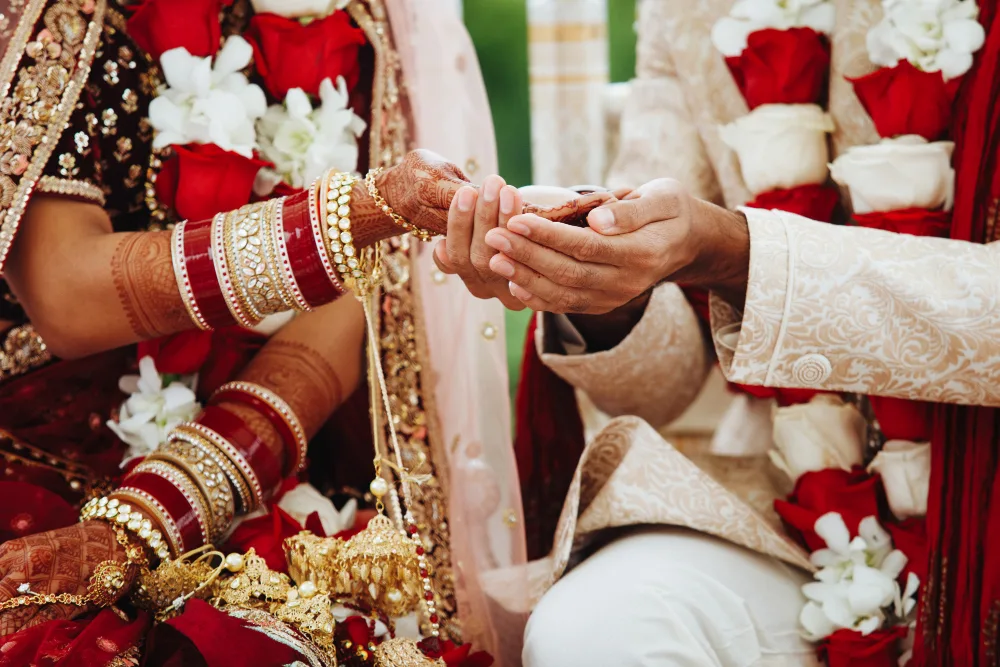
Non-Resident Indian (NRI) marriages have become increasingly common in today’s globalized world. As Indians pursue careers, education, and opportunities abroad, cross-border unions are on the rise. While love transcends boundaries, NRI marriages involve unique legal and cultural considerations that both parties must carefully navigate to ensure a harmonious and lawful relationship. Understanding these factors is crucial for avoiding potential conflicts, legal complications, and cultural misunderstandings.
Legal Aspects of NRI Marriages
One of the foremost considerations in NRI marriages is the legal framework governing such unions. In India, marriages involving NRIs are regulated under the Special Marriage Act, 1954, and personal laws applicable to different religions. The Special Marriage Act allows for the marriage of two individuals without requiring them to adhere to the same religion, making it particularly suitable for intercultural or interfaith marriages.
Registration Requirements: Unlike traditional marriages conducted according to religious rituals, NRI marriages must often be registered with the local marriage registrar. This involves filing a notice of intended marriage and completing a 30-day waiting period, which is mandatory under the Special Marriage Act. Proper registration ensures the marriage is legally recognized in India and abroad, protecting in case of disputes.
Documentation: NRIs must provide valid documents such as passports, visa details, proof of address, birth certificates, and sometimes a certificate of single status to confirm they are legally free to marry. Additionally, if either party has been previously married, relevant divorce or death certificates must be submitted. Ensuring the accuracy and authenticity of these documents is critical, as discrepancies can delay or invalidate the marriage registration.
Legal Recognition Abroad: NRIS needs to check the marriage laws in their country of residence. Some countries require registration of foreign marriages to be recognized legally. Failure to comply with such laws can complicate property rights, inheritance, or even spousal visas in the future. Legal consultation in both India and a foreign country is often recommended to avoid cross-jurisdictional issues.
Dowry and Maintenance Laws: Indian law strictly prohibits dowry under the Dowry Prohibition Act, 1961, and NRIs must be aware that accepting or giving dowry can lead to severe legal consequences. Additionally, marital disputes, maintenance, and alimony are governed under Indian laws if the marriage is registered in India. Therefore, NRIs should seek legal advice regarding their rights and obligations before entering a marriage.
Cultural Considerations in NRI Marriages
Beyond legalities, cultural differences play a significant role in the success of NRI marriages. Differences in lifestyle, values, traditions, and family expectations can impact marital harmony.
Religious Practices: India is a diverse country with varied religious practices, and NRIs may come from different faith backgrounds. Couples should openly discuss religious expectations, rituals, and ceremonies to avoid misunderstandings. Pre-marriage counseling can be highly beneficial for bridging gaps and creating a shared understanding.
Family Involvement: Indian families are often closely involved in marriage decisions, while NRIs may be accustomed to more independent lifestyles. Navigating family dynamics, expectations, and traditions requires patience, respect, and effective communication. Understanding and honoring each other’s family values can significantly strengthen the marital bond.
Festivals and Celebrations: Cultural practices, including festivals, food habits, and social interactions, can differ greatly between India and foreign countries. Couples should find ways to integrate traditions from both sides to create a balanced and inclusive household. Celebrating diverse cultural practices not only enhances mutual respect but also helps in fostering stronger family ties.
Language and Communication: Language can be another barrier in NRI marriages. Even couples fluent in the same language may face subtle nuances that affect communication. Making an effort to learn each other’s language or dialect and understanding cultural idioms can go a long way in reducing misunderstandings and fostering deeper emotional connections.
The Blessings Matrimonials
Given these complexities, professional matrimonial services can be invaluable in facilitating NRI marriages. Platforms like The Blessings Matrimonials specialize in connecting NRIs with compatible partners while guiding them through legal and cultural nuances. The Blessings Matrimonials not only provides verified profiles but also offers personalized guidance on documentation, legal procedures, and cultural compatibility. Their team ensures that both parties are well-prepared for cross-border challenges, making the marriage process smoother and more transparent. By bridging the gap between families and providing expert advice, these services significantly reduce stress and uncertainty in NRI marriages, giving couples confidence in their lifelong commitment.
Don’t Miss: How The Blessings Matrimonials Helps NRIs Connect with Indian Roots
Conclusion
NRI marriages require careful planning and awareness of both legal and cultural aspects. Ensuring proper documentation, understanding cross-border laws, respecting diverse traditions, and maintaining open communication are key to a successful union. Couples who proactively address these challenges create a strong foundation for a fulfilling marital life, blending love, legality, and cultural harmony across continents. Thoughtful preparation ensures that these marriages not only survive but thrive in today’s interconnected world.