
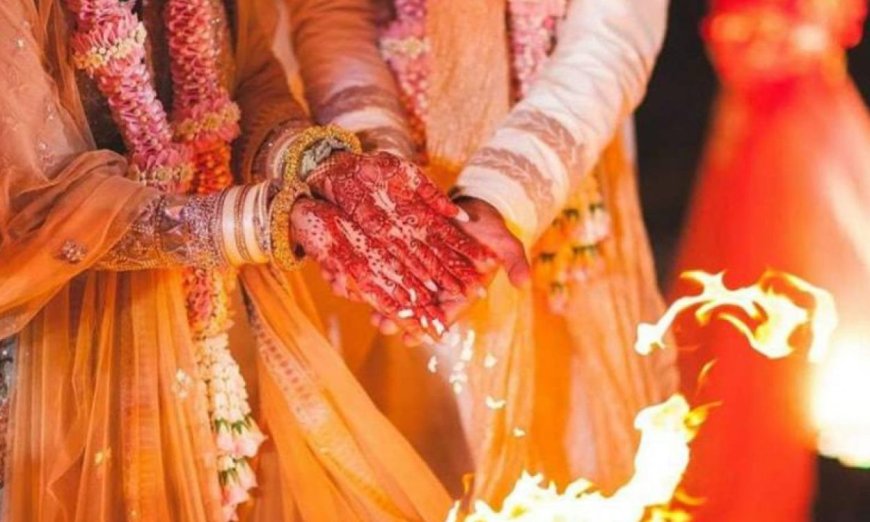
Arranged marriages have long been an integral part of India’s social fabric, deeply rooted in tradition, culture, and family values. For generations, the process was largely managed by elders, with a strong focus on community ties, caste, religion, and family reputation. However, in urban India, the face of arranged marriage has been undergoing a remarkable transformation—blending age-old customs with modern aspirations.
1. Greater Emphasis on Individual Choice
In earlier times, the bride and groom often met only a few times – or sometimes just once – before the wedding. Today, urban arranged marriages prioritize giving individuals the freedom to interact, meet multiple times, and even go on outings together before making a decision.
Parents still play a guiding role, but the final say increasingly rests with the couple. This balance ensures that family involvement doesn’t come at the cost of personal comfort and agency.
2. Broader Compatibility Checks
Compatibility in arranged marriages once meant matching horoscopes, religion, and social background. While these factors still hold importance for many families, urban couples now also look at education, career aspirations, personality traits, and lifestyle preferences.
For example, discussions around travel goals, financial planning, and even views on pets or children are becoming common before finalizing a match. This helps ensure fewer surprises after marriage and a smoother adjustment in the long run.
3. The Role of Technology
Matrimonial sites and apps have transformed arranged marriages. Instead of relying solely on extended family networks or community circles, families and individuals now explore curated online profiles with photos, detailed bios, and verified information.
Video calls, instant messaging, and virtual introductions are especially useful for long-distance matches. This digital shift has made the process more transparent and accessible, allowing people to connect across cities and even countries while maintaining safety and privacy.
4. Blending Tradition with Modern Dating Practices
Many Couples meet in informal settings, talk extensively, and sometimes date for months before making a decision. Families have also become more flexible about traditional restrictions.
for example, allowing the bride and groom to spend time alone before engagement, or being open to matches across different communities if values align. This hybrid approach respects tradition while adapting to modern realities.
5. Gender Roles are Evolving
In earlier arranged marriages, gender roles were often predefined – the man was expected to be the primary breadwinner, and the woman the homemaker. In urban India, these assumptions are rapidly changing.
More grooms now appreciate and encourage their partners to pursue careers, and many brides expect shared responsibilities in household management. Equality and partnership are becoming central expectations, making the marriage dynamic healthier and more sustainable.
6. Family Expectations are Becoming Flexible
While parental approval still matters, there’s greater willingness to accommodate individual preferences – whether it’s the desire to live independently after marriage, differences in dietary habits, or interfaith matches.
Many families in urban India are also open to smaller, more intimate weddings, allowing couples to focus more on the marriage than the event itself. This shift reflects changing attitudes toward balancing tradition with practicality.
7. The Importance of Emotional Connection
Urban couples are increasingly aware that a marriage cannot thrive on compatibility “on paper” alone. Emotional connection – shared humor, mutual respect, and the ability to support each other through challenges – has become a decisive factor.
This change is encouraging longer courtship periods, open conversations about personal boundaries, and greater transparency about life goals before committing.
8. Influence of Global Exposure
Travel, education abroad, and multicultural workplaces have influenced the way young Indians view relationships. Exposure to diverse cultures has made them more open to unconventional matches and more willing to question outdated practices.
However, rather than abandoning tradition entirely, many are reinterpreting it to fit modern values – creating a marriage model that honors heritage while supporting individuality.
The Blessings Matrimonials
The Blessings Matrimonials has emerged as a trusted name in bridging the gap between traditional matchmaking and contemporary expectations. With a deep understanding of cultural values and a focus on personal compatibility, they offer a curated platform that respects privacy, authenticity, and individual preferences.
Using both technology and personal guidance, The Blessings Matrimonials helps individuals and families find partners who align not only in background but also in vision for the future. Their approach ensures that each match is a harmonious blend of family values and modern aspirations.
Don’t Miss: 5 Things Girls Want Their Life Partners to Understand
Conclusion
Arranged marriages in urban India are no longer about compromise – they’re about conscious choice. By blending tradition with modernity, today’s couples enjoy the best of both worlds: family blessings and personal compatibility. The result is a marriage that’s not just arranged, but thoughtfully crafted for lasting happiness.