
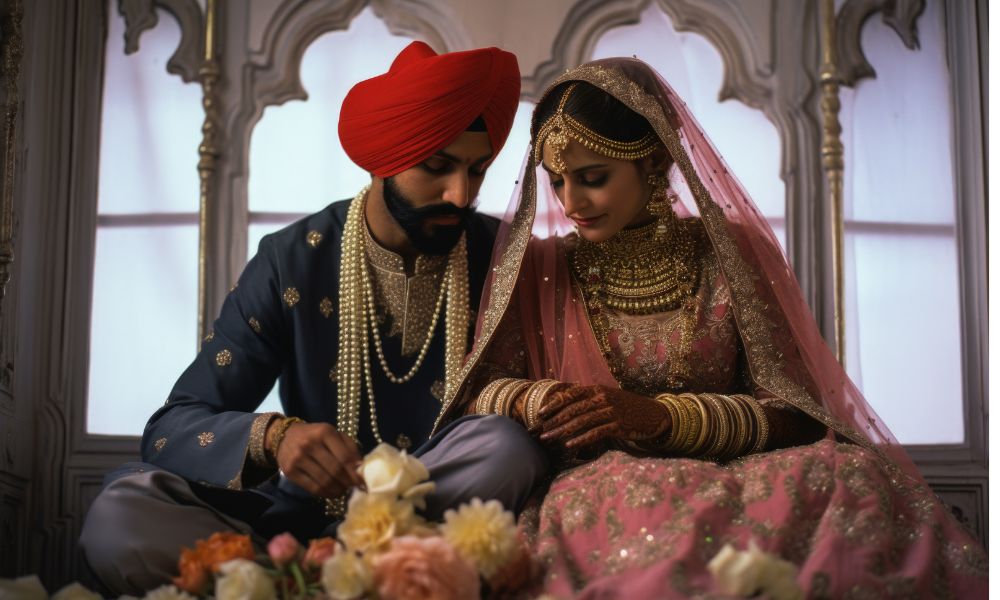
In the vibrant cultural landscape of Delhi, Punjabi families have established a strong presence over generations. Whether originally from Punjab or settled in the capital for decades, Punjabi communities continue to place immense importance on family values in matrimonial decisions. In Punjabi matrimony, marriage is not just a union between two individuals it is a bond between two families, traditions, and shared legacies.
Understanding the role of family values helps explain why punjabi marriage bureau in delhi are carefully considered, deeply rooted in culture, and guided by collective decision-making.
Marriage as a Family Commitment
In Punjabi culture, marriage is seen as a lifelong commitment that extends beyond the couple. Families actively participate in selecting a suitable match, ensuring that the alliance aligns with social standing, cultural traditions, and shared beliefs.
Parents and elders often guide the process, not to control decisions but to ensure stability and long-term compatibility. Respect for elders and their experience remains a cornerstone of Punjabi matrimonial practices in Delhi.
Emphasis on Cultural Traditions
Punjabi weddings are known for their grandeur and emotional warmth. Rituals such as roka, engagement, mehendi, and Anand Karaj hold deep cultural significance. Many Punjabi families in Delhi maintain these traditions with pride, even while adapting to modern lifestyles.
Family values play a key role in preserving these customs. A prospective match is often evaluated based on how well their family respects and understands Punjabi traditions. Shared cultural understanding strengthens the foundation of marriage.
Importance of Social Compatibility
In Punjabi matrimony, social compatibility is highly valued. Families consider factors such as community background, education, financial stability, and reputation. This is not merely about status—it is about ensuring that both families share similar lifestyles and expectations.
In Delhi’s diverse society, Punjabi families often seek alliances within their broader community to maintain cultural harmony. However, modern families are increasingly open-minded, balancing tradition with individual choice.
Strong Family Bonds and Support Systems
Punjabi families are known for their close-knit relationships. Joint family systems or strong extended family connections are common. When evaluating a match, families assess whether the prospective partner can comfortably integrate into this supportive environment.
Respect, warmth, and mutual care are highly valued qualities. The ability to maintain harmonious relationships with in-laws is considered essential for a successful marriage.
Balancing Modernity with Tradition
Punjabi families in Delhi have successfully blended traditional values with modern aspirations. While cultural compatibility remains important, equal emphasis is now placed on education, career goals, and personal independence.
Today’s Punjabi matrimony reflects a progressive mindset. Families encourage open communication between prospective partners and allow them time to understand each other before making a decision. This balance strengthens trust and mutual respect.
Financial Stability and Responsibility
Another significant family value in Punjabi matrimony is financial responsibility. Stability, ambition, and the ability to contribute to a secure future are important considerations. Families often evaluate professional growth and long-term plans to ensure both partners can build a comfortable life together.
However, modern Punjabi families in Delhi increasingly prioritise shared responsibility rather than traditional gender roles, reflecting evolving societal values.
Respect, Reputation, and Integrity
Family reputation holds considerable importance in Punjabi society. Honesty, integrity, and social respect are carefully considered during the matchmaking process. Background verification and personal references may be used to ensure transparency.
This emphasis on credibility protects families from misunderstandings and builds a foundation of trust between both sides.
Emotional Compatibility and Mutual Understanding
While family values are central, emotional compatibility between the couple is equally important. Families today encourage prospective brides and grooms to communicate openly and assess mutual understanding.
A marriage built on shared values, respect, and emotional maturity is considered ideal. Families support the couple while allowing them space to grow independently.
Conclusion
Family values remain the backbone of Punjabi matrimony in Delhi. From cultural traditions and social compatibility to respect and emotional support, every aspect of the process reflects a deep commitment to stability and harmony.
While modern influences have reshaped certain practices, the core principle remains unchanged marriage is a union of families, built on trust, shared values, and collective happiness. In Delhi’s evolving matrimonial landscape, Punjabi families continue to uphold these timeless principles while embracing progressive thinking.
Don’t miss: How South Delhi Marriage Bureaus Handle Privacy and Profile Screening